Kathmandu Sightseeing Tour
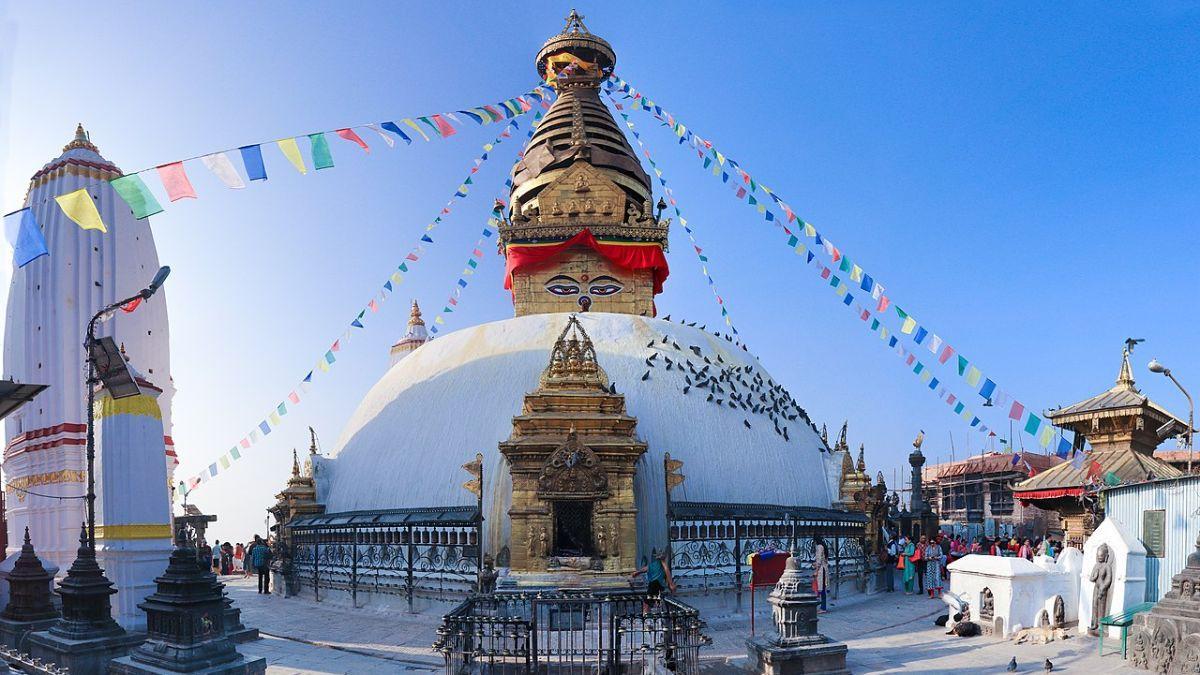
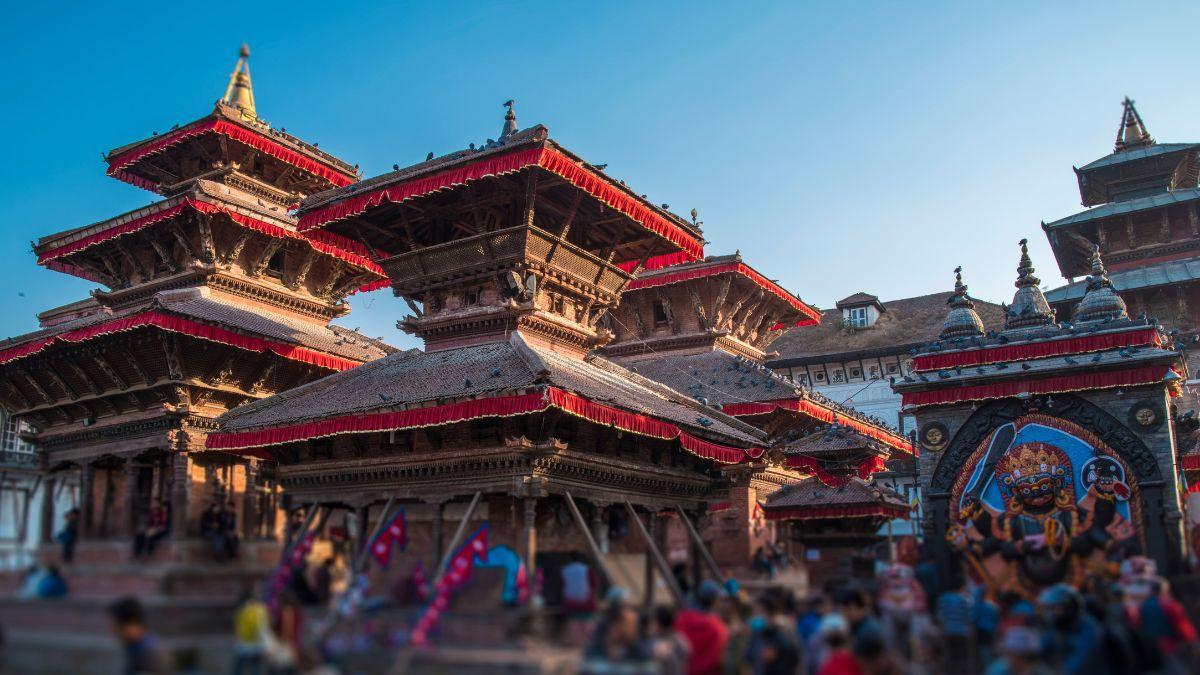
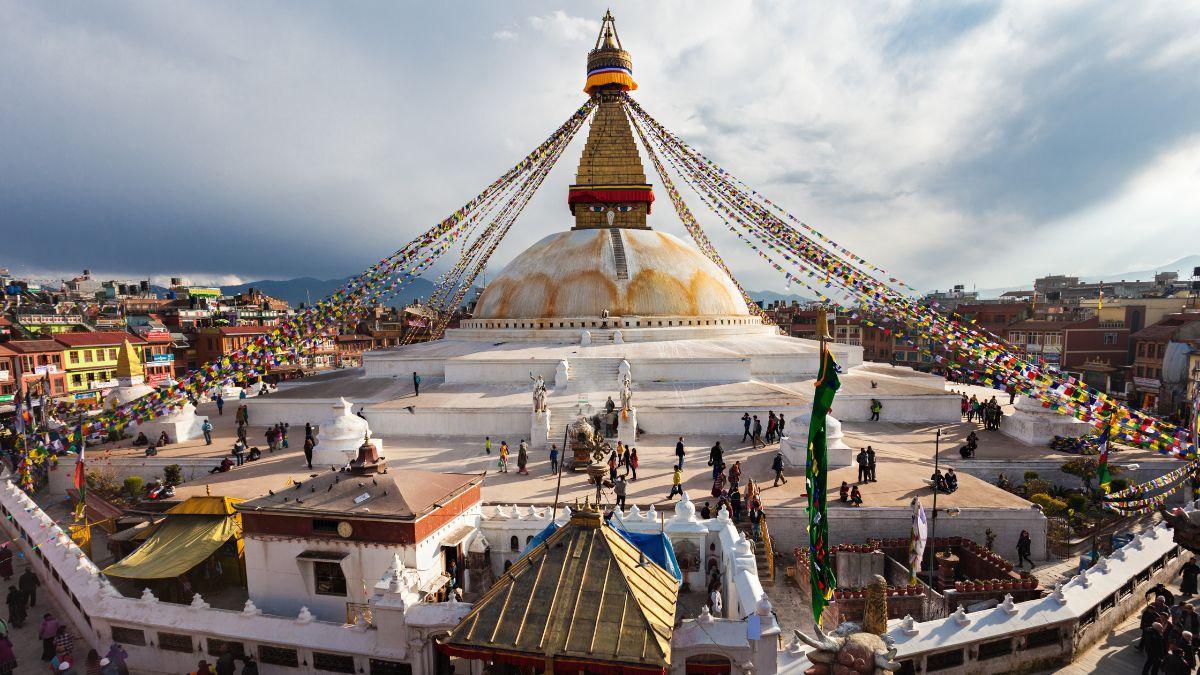
Pashupatinath, Boudhanath & Swoyambhunath
Pashupatinath, Boudhanath & Swoyambhunath
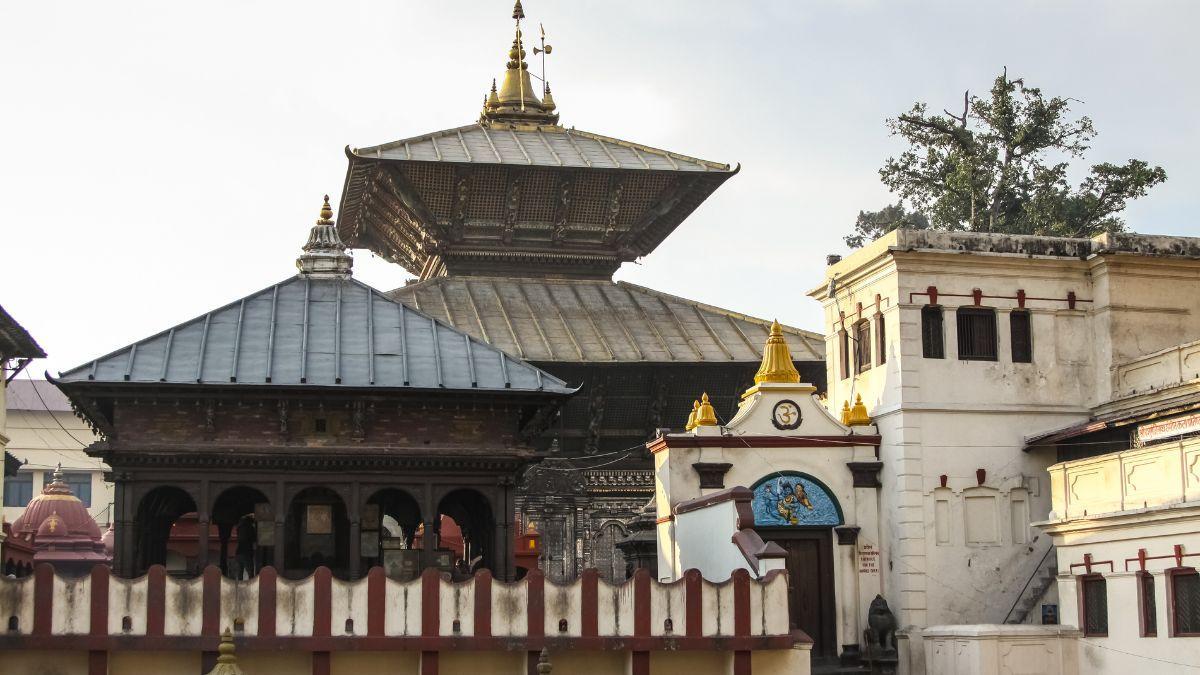
Here are some key highlights of Pashupatinath Temple, one of Nepal’s most sacred Hindu sites:
Main Temple Complex: Dedicated to Lord Shiva in his form as Pashupati, the “Lord of Beings.” The pagoda-style temple features a gilded roof, silver-plated doors, and intricate wood carvings.
Sacred Shiva Lingam: The central deity—a unique four-faced lingam—represents Shiva’s presence in all directions.
Bagmati River Ghats: The temple sits along the holy Bagmati River, where open-air cremation ceremonies take place—offering a profound insight into Hindu rituals of life and death.
Aarti and Rituals: The evening Bagmati Aarti is especially moving, with priests performing synchronized chants, fire rituals, and music.
Ancient Shrines and Statues: The area is filled with hundreds of smaller temples and shrines dedicated to various Hindu gods and sages.
Cultural and Spiritual Atmosphere: Pilgrims, sadhus (holy men), and devotees from around the world gather here, creating a vibrant and deeply spiritual environment.
UNESCO World Heritage Site: Recognized for its cultural, architectural, and religious significance as part of the Kathmandu Valley heritage area.
Begin after an early breakfast. The area lies south of central Kathmandu; it’s best explored by private vehicle for flexibility. The short drive to Chobhar takes about 30–40 minutes.
Start the day with one of the valley’s most striking natural landmarks.
HIGHLIGHTS:
Tip: Early morning light makes the gorge and nearby terraced hills glow—great for photos.
Just a few minutes away by vehicle or a short walk lies Jal Binayak Temple, one of the four principal Ganesh shrines of the Kathmandu Valley.
WHAT TO SEE:
Continue south through forested hills and small Newar villages. The route takes about 30–40 minutes.
One of Nepal’s most revered goddess temples, Dakshinkali sits in a wooded valley near Pharping.
HIGHLIGHTS:
Note: Animal sacrifices may occur on ritual days—visitors can choose to observe respectfully from a distance.
Drive ~10 minutes uphill to Pharping, a historic Buddhist center.
Recommended Places:
Asura Cave guest cafés near monasteries offer tea and momos with excellent views.
Pharping is home to vibrant Buddhist monasteries and meditation caves where past masters are said to have attained enlightenment.
HIGHLIGHTS:
Tip: Walk slowly through the area; prayer flags, chanting, and incense create an exceptional atmosphere.
Return toward Kathmandu, there is an option to stop at Taudaha, a small, serene lake at the base of Chobhar hill.
HIGHLIGHTS:
Drive back (approx. 30–45 minutes depending on traffic).